 PartDorinUpload RFQRFQ
How to prepare an automotive parts RFQ that a supplier can quote accurately.
A clear request for quotation reduces rework, protects part identity and gives a supplier the information needed to evaluate availability, requirements and export preparation.
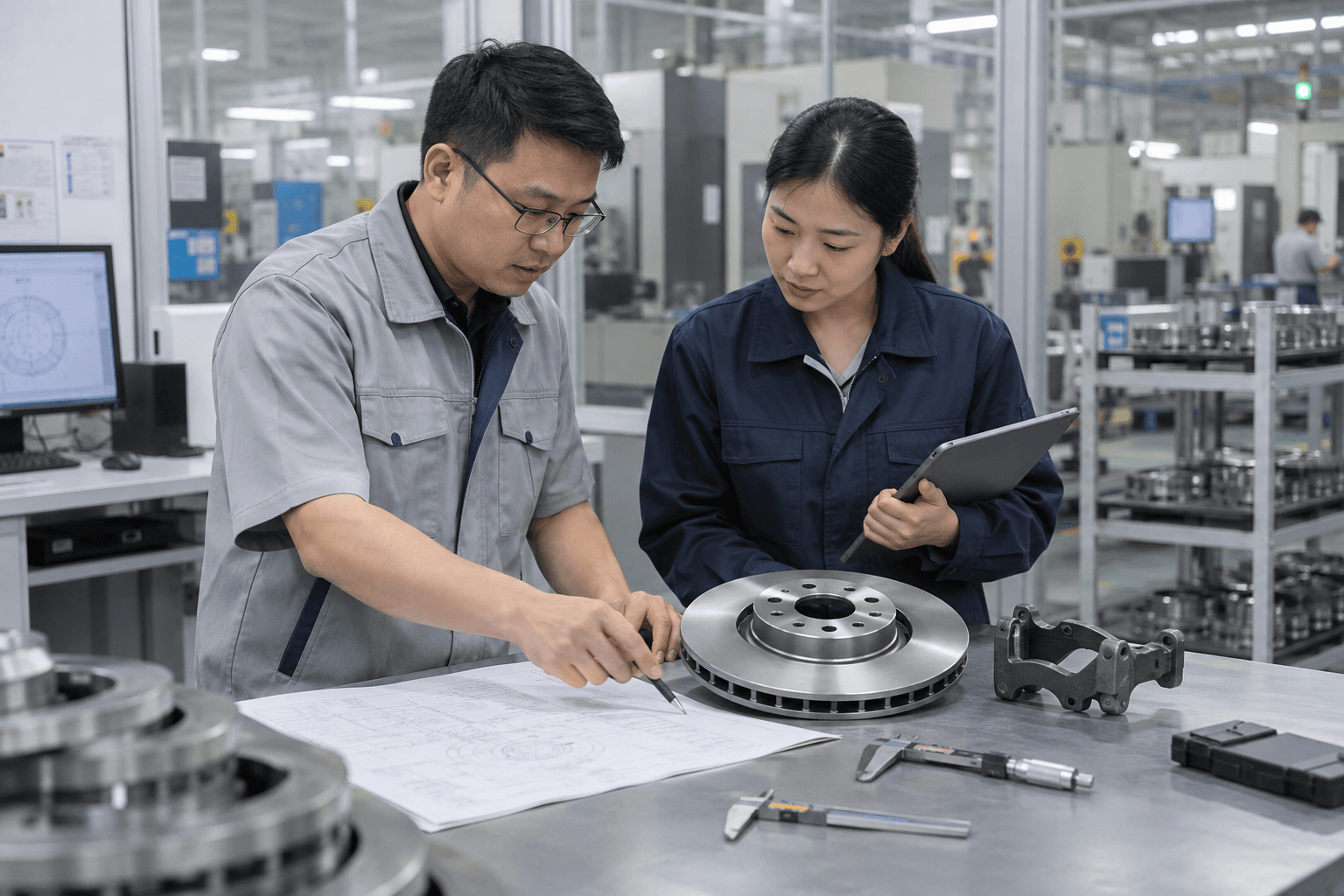
What a usable RFQ includes
An automotive-parts RFQ should make it possible to identify the part, understand the intended vehicle application, estimate the required quantity and confirm any special handling before shipment. The best RFQs do not need to be long; they need to remove the uncertainty that causes an unsuitable quote.
Begin with a part number or OE reference, vehicle information, quantity, target market and any known packaging or inspection requirements. Add photos, drawings or a sample reference whenever they are available.
For importers and distributors, this preparation is also useful internally. It creates a written baseline for the purchasing team, the supplier and the receiving warehouse. If requirements change later, everyone can see which part of the original request changed.
Start with product identity
Part identity is the first control point. A description such as “brake disc” or “steering rack” is often too broad because a product family can include different dimensions, mounting points, materials, connectors and application variants.
Useful identifiers to provide
- OE, OEM or aftermarket reference number
- Clear product photo, drawing or physical sample reference
- Key dimensions, connector type or visible distinguishing features
- Requested brand, neutral packaging or private-label instruction
If you have several part numbers, send them in a structured list rather than a series of messages. This makes it easier to spot gaps and to match each quotation line to the right application.
Add application and technical context
A reference number is helpful, but application context provides a second check. Vehicle make, model, model year, engine specification, transmission type and market destination can all matter depending on the part category. This is especially important for powertrain, braking, electrical and body components.
Where a buyer is replacing an existing part, photos of labels, mounting interfaces and related components can reduce ambiguity. For a custom program, the drawing revision and the required technical characteristics should be named before production preparation begins.
Explore our automotive component categories when you need to group a request by powertrain, chassis, body or electrical system.
Clarify order and packing requirements
Quantity affects more than price. It can influence production planning, packaging format, inspection sampling and lead-time discussions. State whether the request is for a trial order, a replenishment program or a multi-part container plan.
| Requirement | Why it matters |
|---|---|
| Target quantity | Helps assess stock, production planning and packing configuration. |
| Destination market | Provides context for labeling, documentation and delivery planning. |
| Packaging instruction | Prevents last-minute changes to carton, pallet or private-label presentation. |
| Target delivery window | Allows a realistic coordination discussion rather than an unsupported promise. |
For a new sourcing relationship, it is reasonable to start with a focused selection. A small, clearly defined RFQ is usually more valuable than a very long list with incomplete identifiers.
Use inspection points before shipment
Inspection requirements should be discussed before goods reach the final packing stage. Buyers may need checks related to product identity, visible condition, agreed dimensions, packaging presentation, marks or quantity. The right inspection plan depends on the part and the order—not every component needs the same control points.
PartDorin’s quality process and manufacturing workflow are designed around these buyer inputs. Share the inspection priorities early so they can be reflected in the coordination process.
Frequently asked questions
Can I request a quote with only an OE number?
Yes, an OE number is a useful starting point. Add vehicle application, quantity and a photo or drawing when possible to improve confirmation accuracy.
Should packaging be included in the first RFQ?
Yes. Even a short note about neutral cartons, private labels, individual bags or pallet requirements helps prevent later revisions.
What should I send for a custom automotive part?
Provide a drawing or sample reference, the required application, quantity, material or performance expectations, and any test or presentation requirements you already know.
Start the sourcing conversation with a clearer baseline.
A focused RFQ is not paperwork for its own sake. It is the practical starting point for matching a buyer’s needs with the right automotive component, packing approach and inspection preparation.
Discuss Your RFQ